South Korea guides
Clear starting points for travel and everyday life. Read the guidance, follow the source links, and verify rules that apply to your nationality and situation.
Entry & residency
07 Long staysSouth Korea's Remote-Work Visa: Income and Family Rules (F-1-D)
Use Korea's revised workation income table to compare a solo or family move, understand regional evidence, and separate the three-year ceiling from each grant of stay.
Read guideWork & long staysChanging from a Job-Seeker Visa to a Work Visa in Korea (D-10 to E-7)Understand the D-10 job-seeking and internship boundaries, 2026 E-7 wage bands, employer evidence and when you must receive a status change before starting.
Read guideFamily & residenceSouth Korea's Points-Based Residence and Permanent Residence (F-2-7, F-5)F-2-7 requires an eligible applicant category and at least 80 officially assessed points; F-5 permanent residence is a later, separate decision with residence, livelihood, conduct and integration tests—not an automatic promotion.
Read guide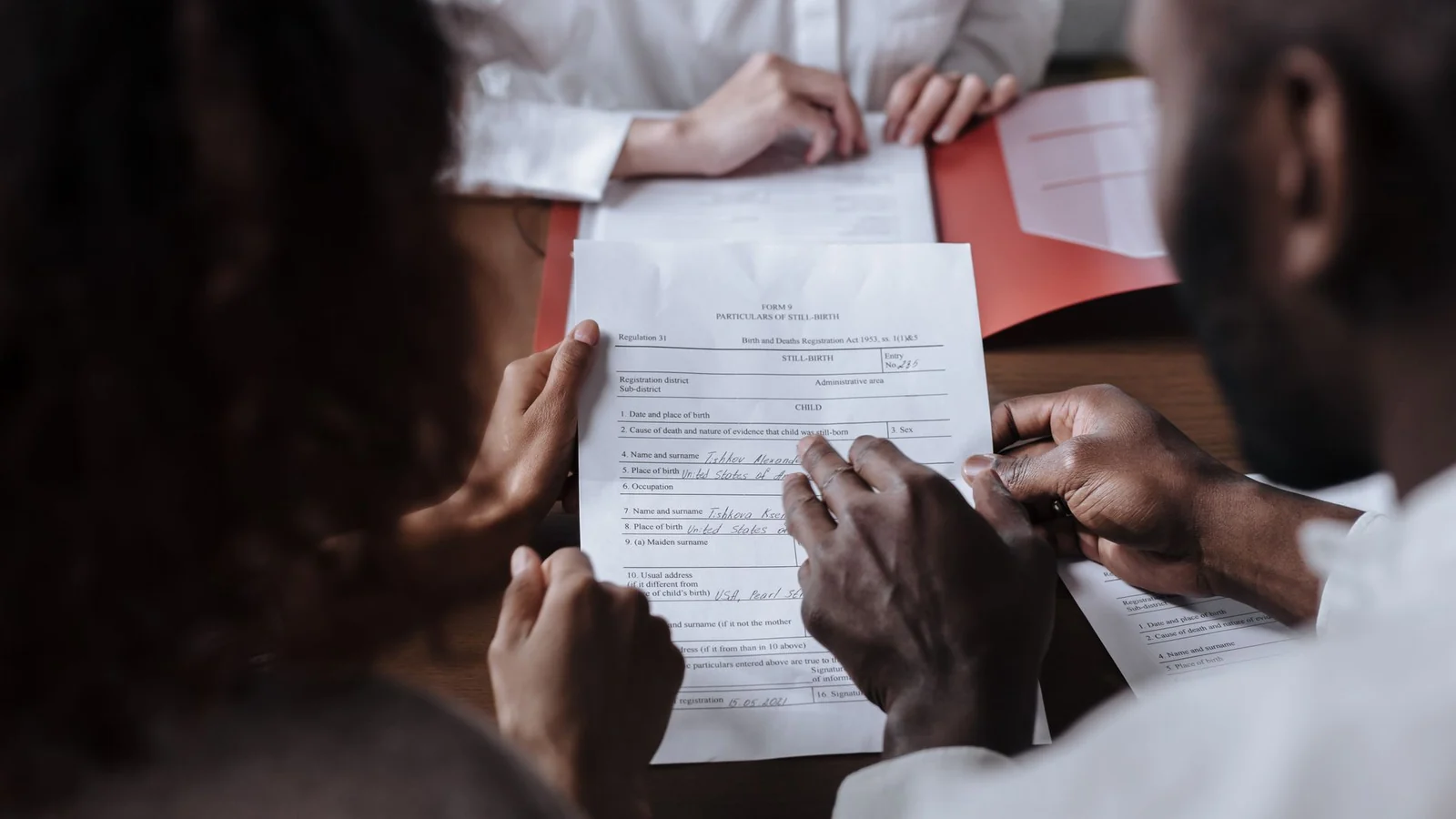 Family & residenceSouth Korea Spouse Visa: Income and Documents (F-6)
An F-6 marriage residence application needs a legally recognized relationship, the Korean spouse's 2026 household-income evidence, home and relationship documentation; marriage alone isn't approval.
Read guide Residence & registrationKorea Residence Card: Register Within 90 Days and Report Address Changes
After arriving on a long-stay visa, book your immigration appointment, prepare identity and housing proof, register within 90 days and report moving or passport changes on the correct clock.
Read guide Safety & emergenciesThree Days of Emergency Food and Water for a South Korean Apartment
Safety Korea recommends keeping at least three days of food, water and basic supplies for outages. See 1-, 2- and 4-person no-cook meal counts, water-shopping examples and when a flooded home must be evacuated.
Read guideEntry & visasSouth Korea Entry Requirements: Visas, Travel Approval and Arrival Cards (K-ETA)Check your passport's visa route, the temporary K-ETA exemption, the official free e-Arrival Card and which document to show when you travel.
Read guideGetting around
01
Homes & property
01
Money & costs
01Health & insurance
01
Work & daily life
04Family & residenceBringing a Spouse or Child to South Korea: Residence and Work Rules (F-3)For eligible foreign D-2/E-7 and other principal visa holders, F-3 may cover a legally married spouse or unmarried minor child. Check housing, income, 90-day registration and strict work limits.
Read guide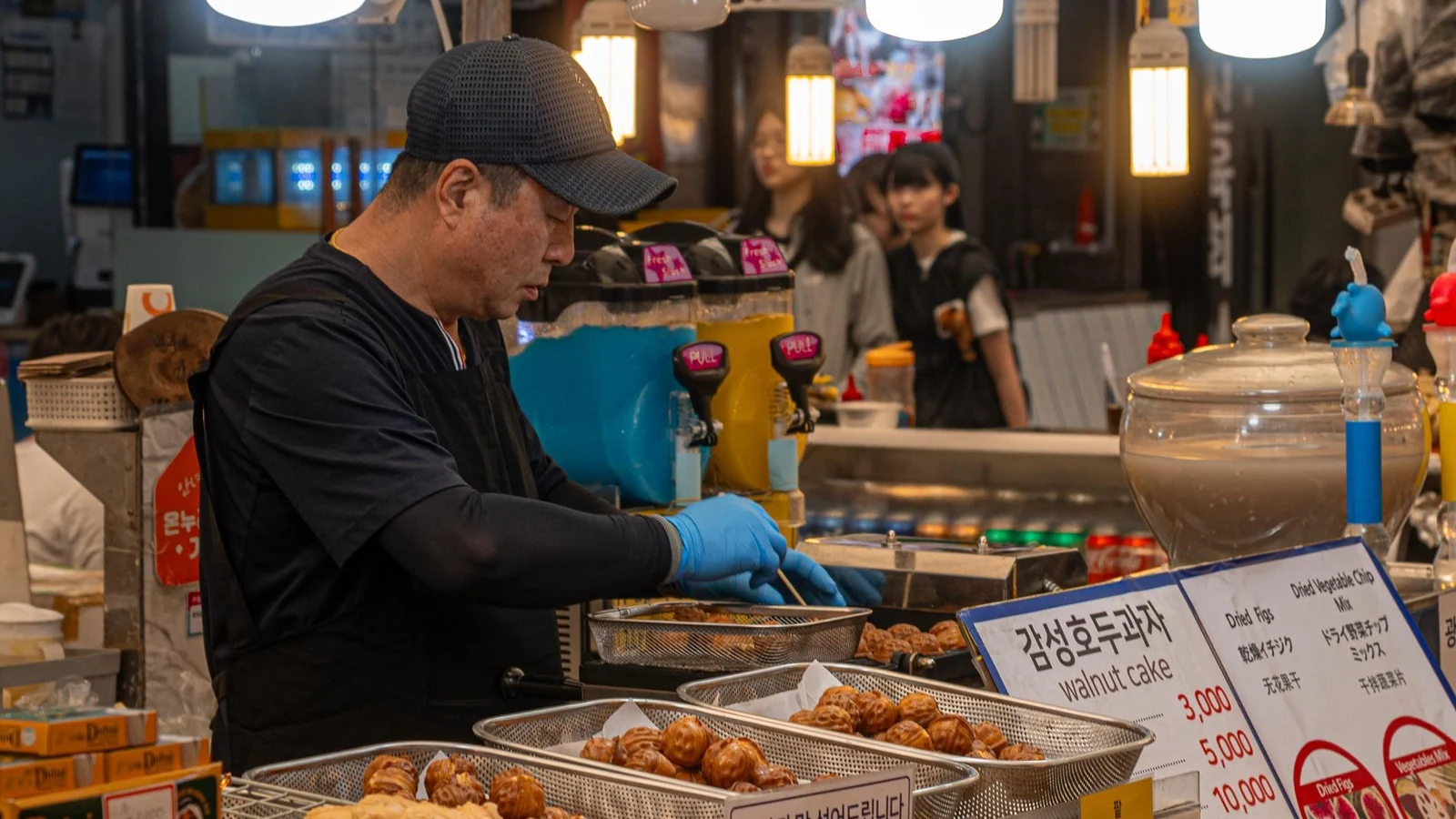 Study & residenceSouth Korea Student Visas: University, Language School and Work (D-2, D-4)
Degree students and language-school trainees have different Korean stay statuses and part-time work eligibility. Learn the D-4 six-month rule, student adviser approval and programme-specific hours.
Read guide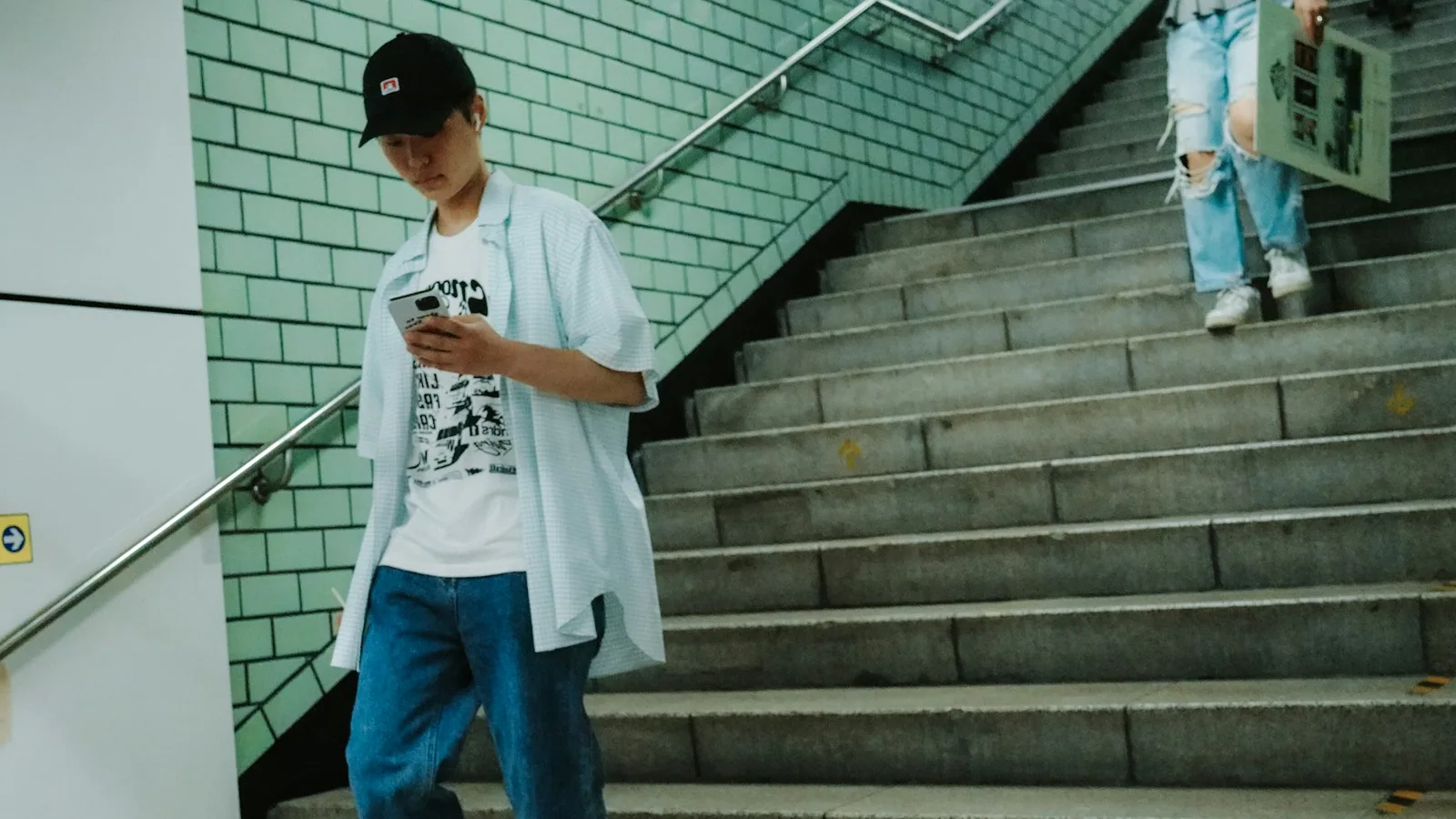 Work & daily lifeKorean Tourist SIM Cards: Why a Phone Number May Not Verify Your Identity
LG U+ vs KT tourist eSIM: data-only versus voice/SMS, required airport passport checks and why a 010 number won't pass resident identity verification.
Read guideLong staysWorking in South Korea: Work Visas, Employers and RegistrationUnderstand Korea's specialist E-series work, E-9 Employment Permit System, student restrictions, 90-day foreign registration and changing jobs.
Read guide